Back Pain Acupuncture Treatment | Pricc Acupuncture

Treatments
Back Pain Treatment in London
At Pricc, we treat back pain from our clinics in Marylebone and Notting Hill, using a personalised approach that combines acupuncture, hands-on treatment, and movement-based rehabilitation.
Back pain rarely has a single cause. It often develops gradually through a mix of posture, stress, movement patterns, and past injury. Our focus is on understanding what is driving your symptoms, so we can reduce pain, restore movement, and help you return to daily life with confidence.
All treatments are delivered by degree-qualified practitioners trained in Traditional Chinese Medicine.
You can learn more about our approach on our Traditional Acupuncture page or explore the evidence behind our treatments on our Science page.
What Is Back Pain?
Back pain refers to discomfort anywhere along the spine, from the upper back and shoulders down to the lower back. It can involve muscles, joints, discs, ligaments, or nerves, and is one of the most common reasons people seek treatment.
For some, it presents as a dull, persistent ache or stiffness. For others, it can feel sharp, restrictive, or radiate into the legs or between the shoulder blades. Symptoms can vary day to day, often influenced by movement, posture, and stress.
Most cases are not serious, but without the right treatment they can become recurring or long-term. Addressing the underlying cause early is key to a smoother recovery.
How Back Pain Shows Up
Back pain doesn’t look the same for everyone. You might notice stiffness first thing in the morning, discomfort after sitting at a desk, or pain that worsens with certain movements. In some cases, symptoms travel down the leg or feel more like tension across the upper back and shoulders.
If your pain is persistent, keeps returning, or is starting to affect how you move, sleep, or work, it’s usually a sign that your body needs a more structured approach to recovery.
What Causes Back Pain?
Back pain is often the result of cumulative strain rather than a single event. Long hours at a desk, reduced movement, or repeated patterns like lifting or twisting can gradually overload certain areas of the body.
We also commonly see back pain linked to unresolved previous injuries, reduced strength or stability, and increased muscle tension driven by stress. These factors can alter how your body moves and distributes load, leading to irritation and pain over time.
At Pricc, we look beyond the surface symptoms to understand how these elements come together in your specific case.
How We Treat Back Pain at Pricc
We begin with a detailed assessment of your movement, strength, and symptoms to understand what is contributing to your back pain.
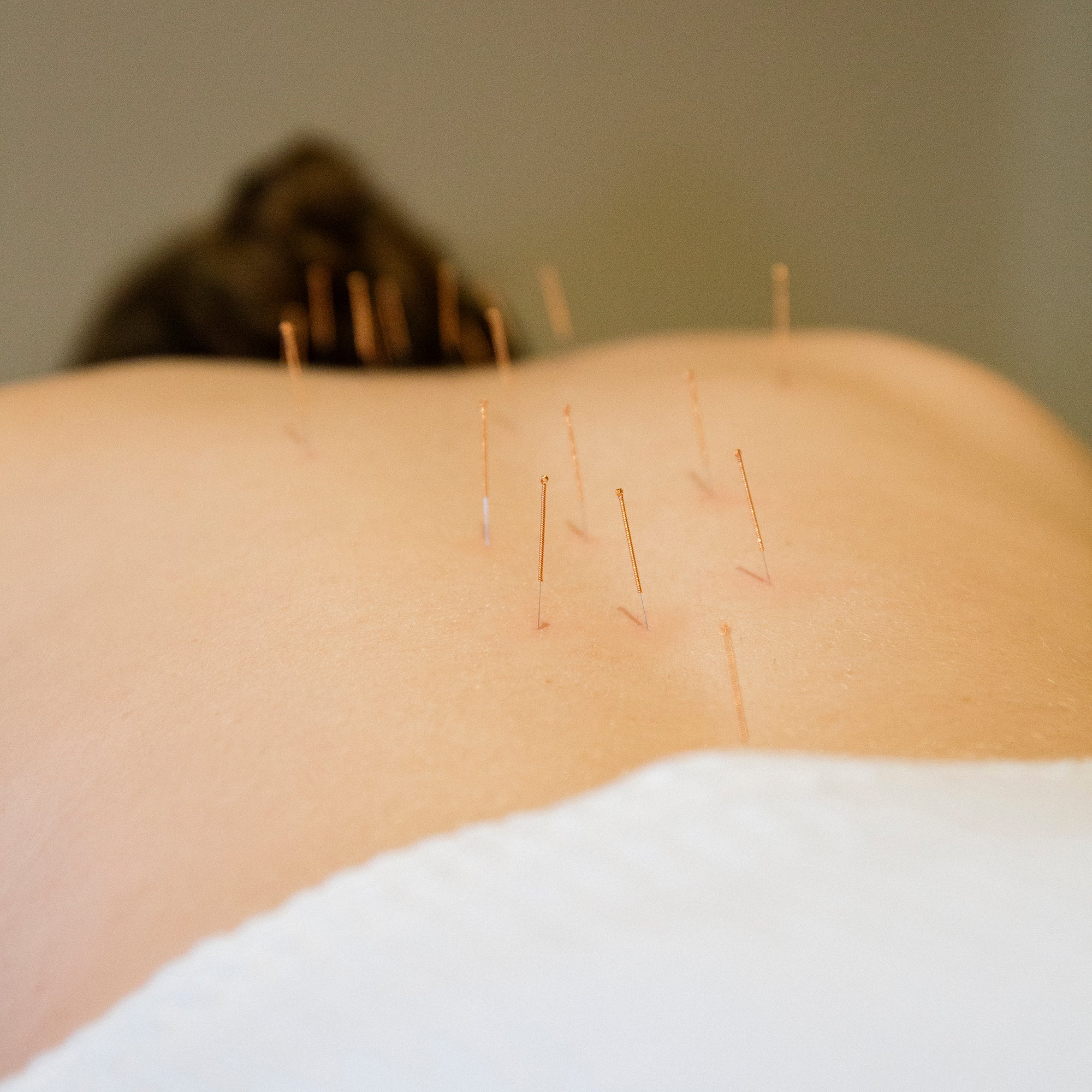
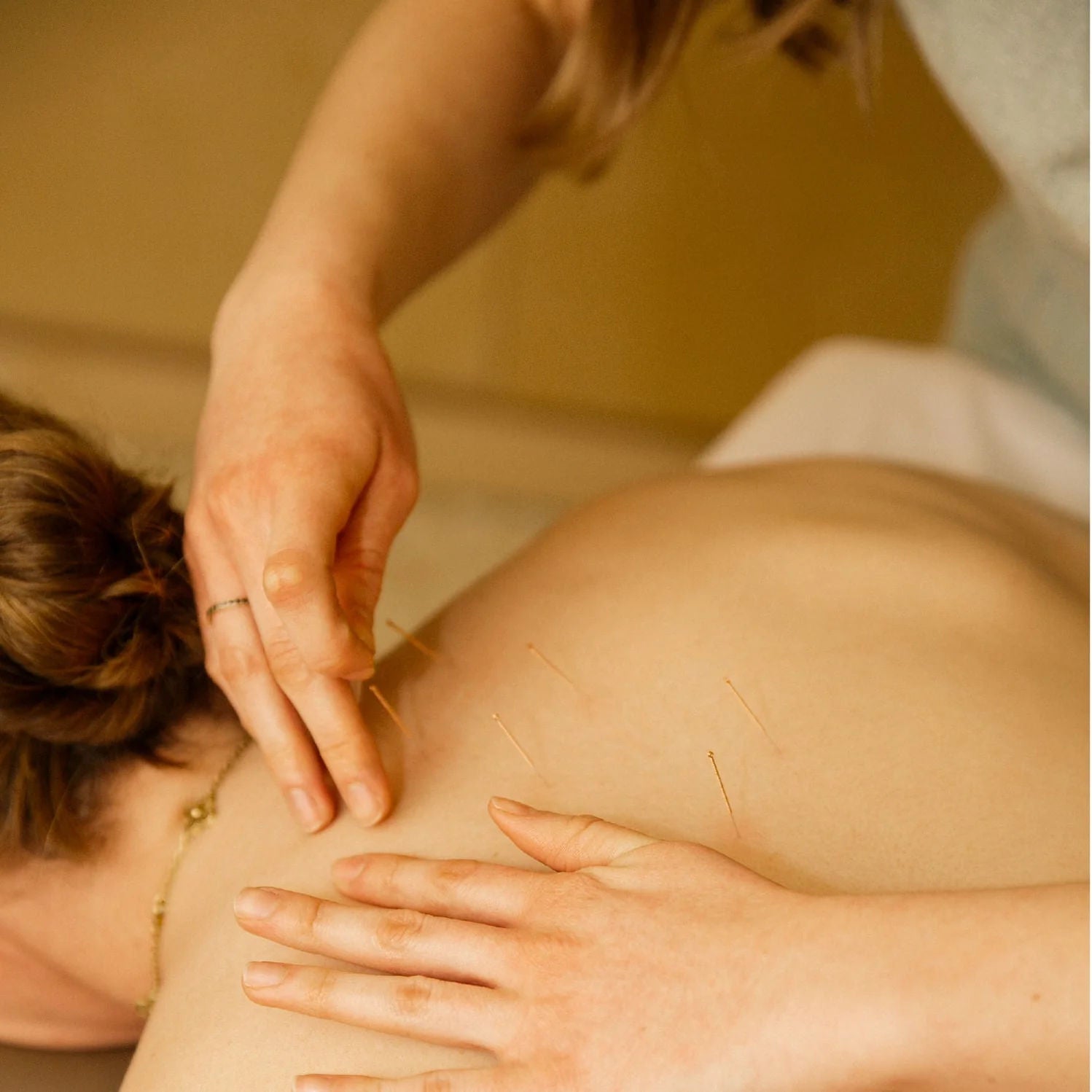
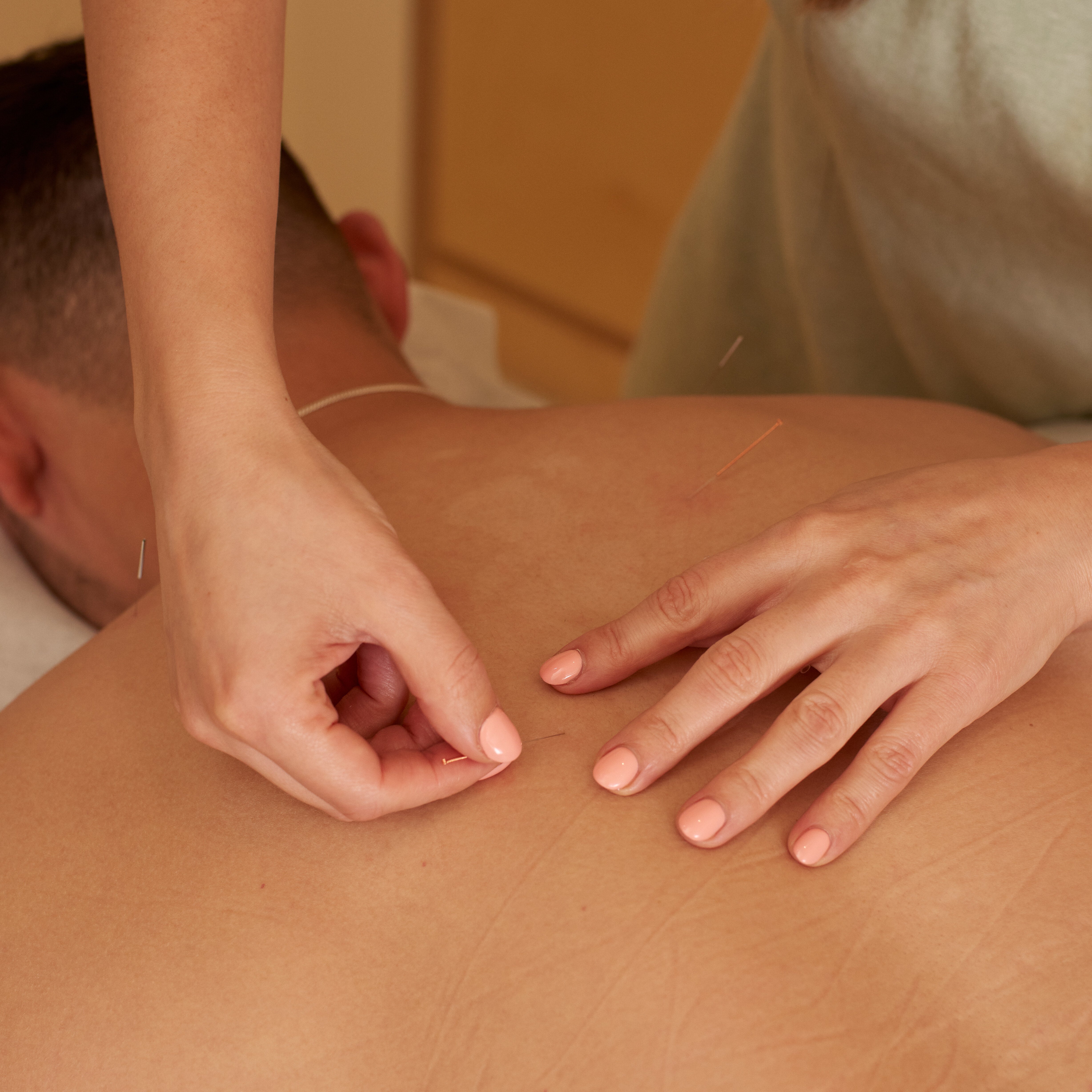
Acupuncture is used to reduce pain, improve circulation, and support the body’s natural recovery processes. Many patients experience a reduction in muscle tension and an improvement in movement following treatment.
In cases where symptoms are more persistent, involve deeper muscle tension, or have not responded fully to previous treatment, we may incorporate electro acupuncture, this provides more consistent stimulation to the affected area and can help enhance pain relief and muscle activation.
Alongside acupuncture, hands-on therapy helps restore joint movement and release tight muscles, while guided rehabilitation supports strength, control, and long-term resilience.
Where appropriate, treatment may also include complementary therapies such as cupping therapy or support through herbal medicine
Our aim is not only to reduce pain, but to help you move more confidently and prevent recurrence.
Acupuncture is recommended by NICE as a treatment option for chronic low back pain.
When to Seek Help for Back Pain
If your back pain has lasted more than a few days, is affecting your daily routine, or keeps returning, it’s worth getting it properly assessed. Early treatment can prevent symptoms from becoming more persistent and harder to resolve.
There are, however, certain symptoms that require urgent medical attention. These include loss of bladder or bowel control, numbness around the inner thighs or genitals, or progressive weakness in the legs. In these cases, you should seek emergency care immediately.
If you experience unexplained weight loss, severe night pain, fever, or have a history of cancer alongside new back pain, it’s important to speak to your GP as soon as possible.

What to Expect at Your First Appointment
Your first session lasts around 45 minutes and is designed to give you both clarity and direction.
We begin with a detailed assessment, looking at how you move, where your pain is coming from, and what may be contributing to it. We then explain our findings in clear terms, so you understand what’s going on and what can be done.
Where appropriate, treatment begins in the same session. You’ll also leave with a plan that includes guidance, exercises, and a clear idea of what recovery may look like over the coming weeks.
Our London Clinics
Pricc offers back pain treatment at both our Marylebone and Notting Hill clinics, providing access to care across central London.
Appointments are available seven days a week, with both self-pay and insurance-covered options. You can view availability and secure your appointment through our online booking system or explore our full range of treatments.
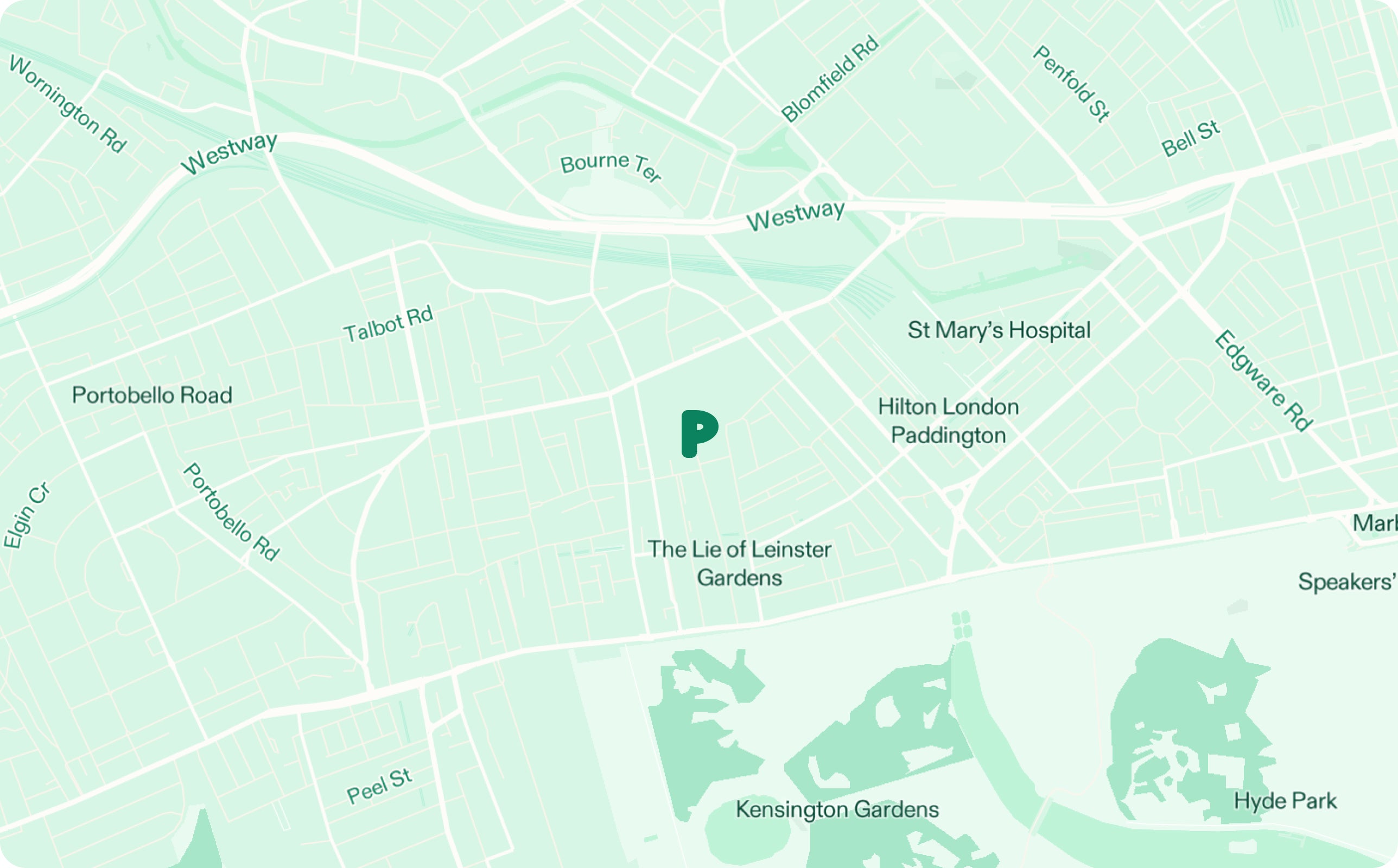
Notting Hill Clinic
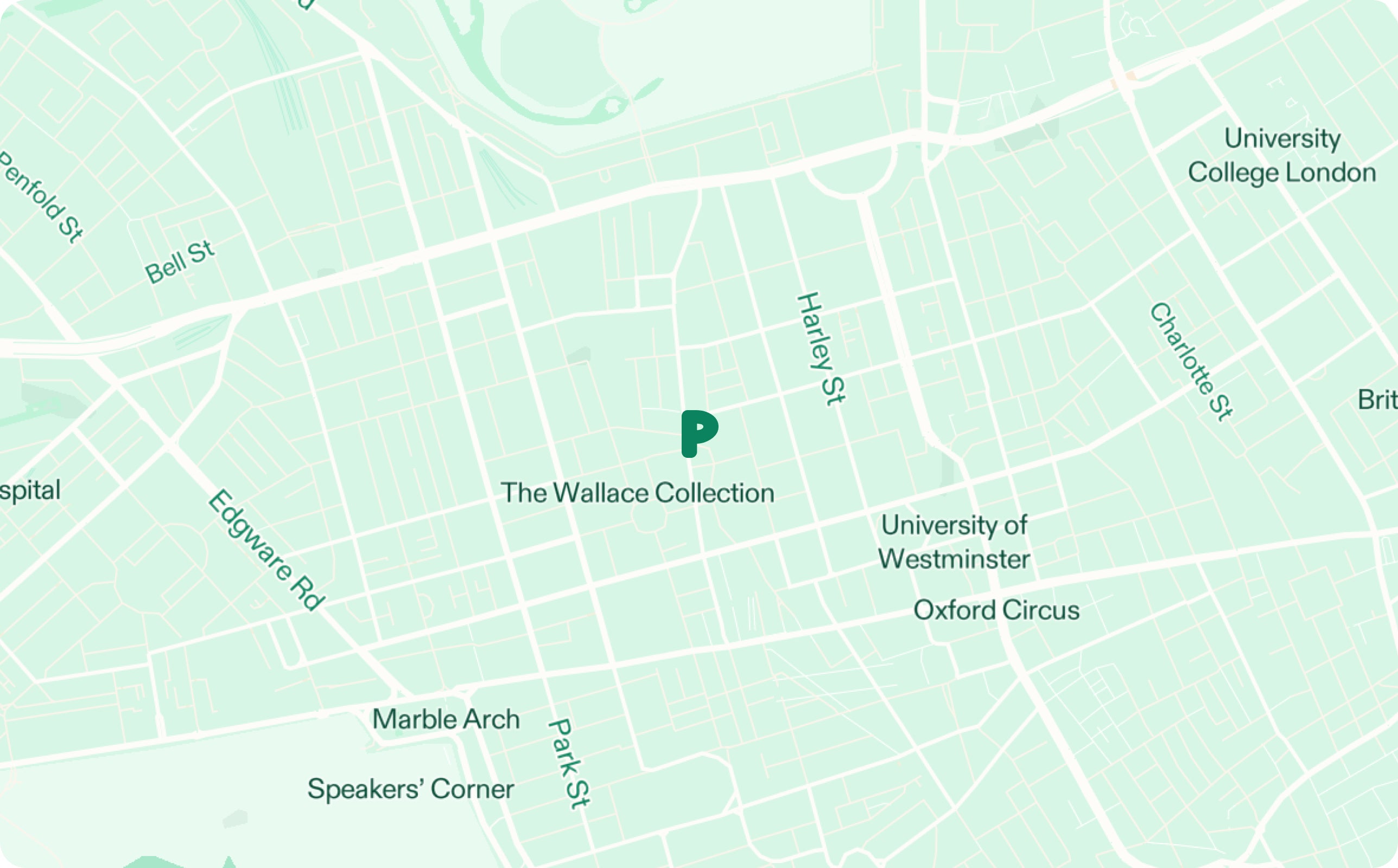
Marylebone Clinic
Back Pain Treatment FAQs
Does acupuncture help back pain?
Acupuncture is commonly used for back pain and is recommended by NICE for chronic pain conditions. It can help reduce pain, improve mobility, and support recovery when combined with appropriate rehabilitation.
How long does recovery take?
This depends on the cause and duration of your symptoms. Acute pain may improve within a few sessions, while longer-standing issues typically require a more structured treatment plan.
Is acupuncture painful?
Most people experience very little discomfort. Sensations are usually mild and can include warmth, tingling, or a dull ache.
Can I keep exercising?
In most cases, yes. Movement is an important part of recovery, and we guide you on what is safe and effective for your specific condition.
For more general questions, visit our FAQs.
Nobody forgets a Pricc.
Discover the benefits of acupuncture by booking a treatment today.