Gua Sha Treatment in London | Pricc Acupuncture

Treatments
Gua Sha Treatment in London
At Pricc, we offer gua sha treatment at our clinics in Marylebone and Notting Hill, using traditional techniques to relieve muscle tension, reduce pain, and support recovery.
Gua sha is often used alongside acupuncture to enhance treatment outcomes, particularly where there is muscular tightness, restricted movement, or chronic tension. Each session is adapted to your individual presentation and can be integrated into a wider treatment plan.
We regularly see patients from across central London, including Chelsea, Kensington, Fitzrovia, Mayfair, Paddington and surrounding areas.
If you’re unsure whether gua sha is suitable for your symptoms, you can book an initial consultation and we’ll guide you.
To understand how gua sha fits within our broader approach, you can visit our traditional acupuncture page or read more about the evidence behind treatment on our science page .
What Is Gua Sha?
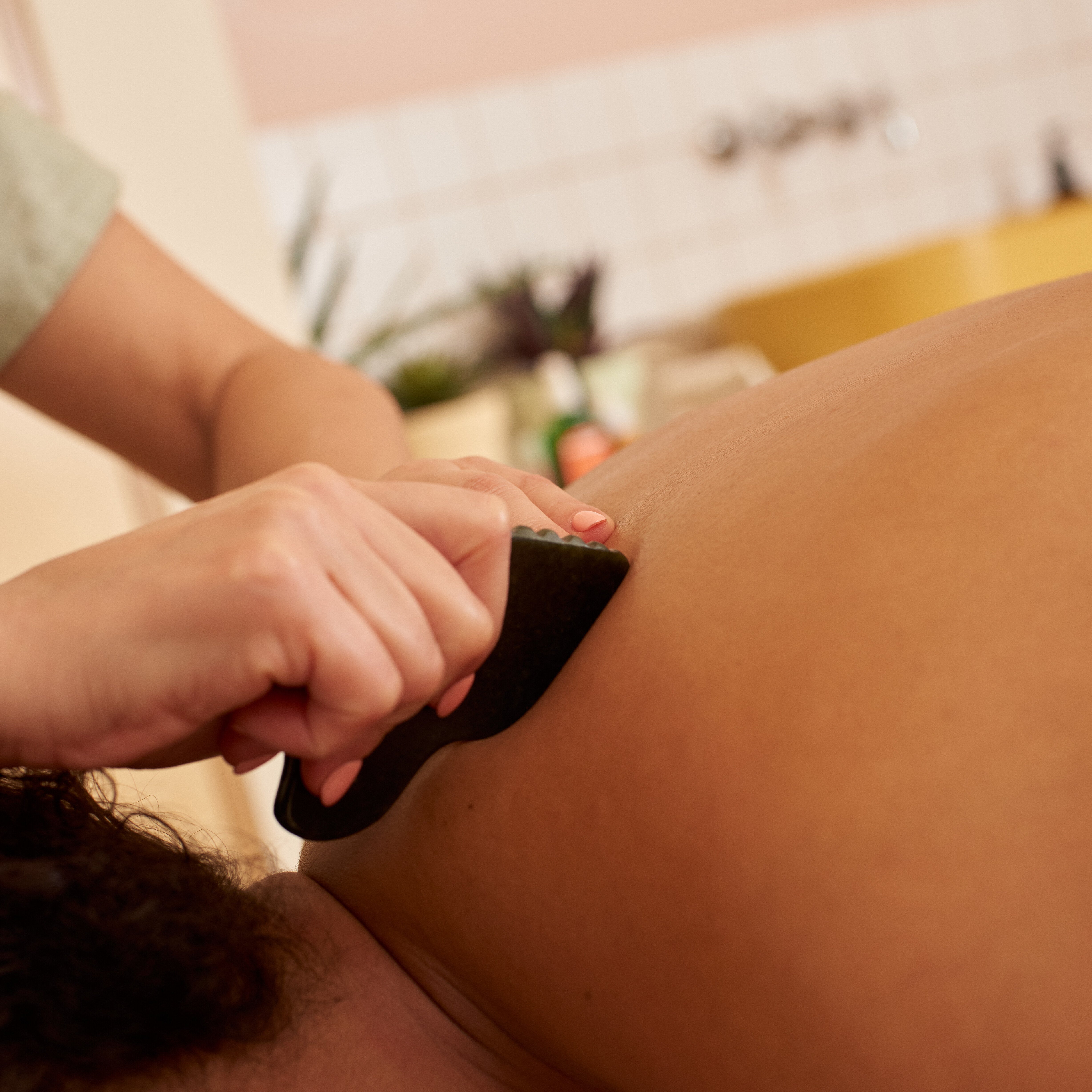
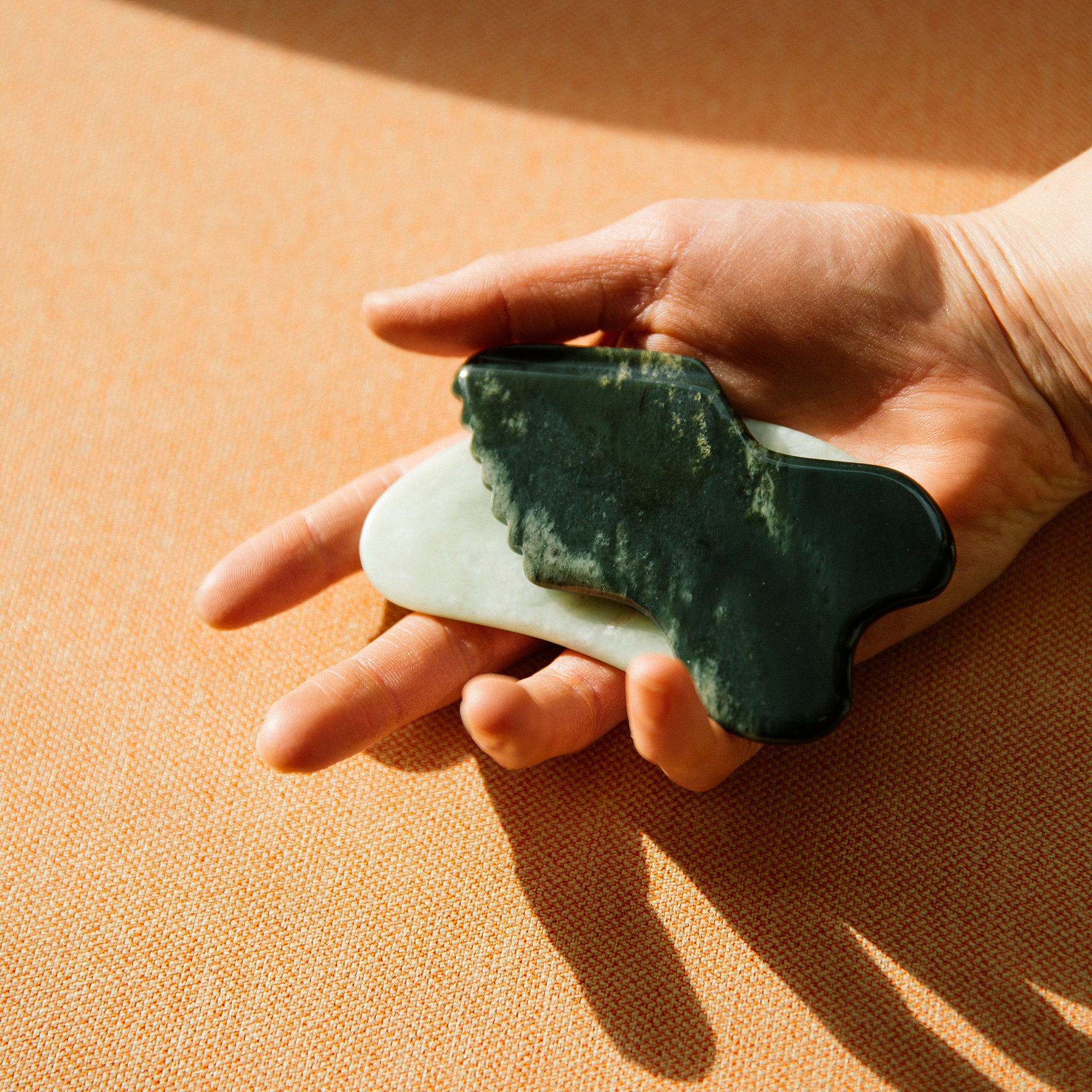
Gua sha is a traditional Chinese medicine technique that involves applying controlled pressure to the skin using a smooth-edged tool. The treatment is designed to stimulate circulation, release muscle tension, and support the body’s natural healing processes.
It is most commonly used for musculoskeletal conditions, particularly where there is stiffness, tightness, or reduced mobility. Many patients describe a noticeable sense of release following treatment.
What Can Gua Sha Help With?
Gua sha is commonly used to support a range of pain and tension-related conditions, particularly those affecting the neck, back, and shoulders. It is often helpful for muscular discomfort linked to posture, training, or repetitive strain, as well as tension that contributes to headaches or migraines.
It is frequently incorporated into treatment plans for conditions such as neck pain , back pain , and migraines, where muscle tension plays a key role.
Gua sha can also support recovery from sports injuries by helping to reduce tightness and improve circulation in affected areas.
If you are dealing with ongoing muscle tension or stiffness, it can be helpful to book a session early rather than waiting for symptoms to worsen.
How Gua Sha Works
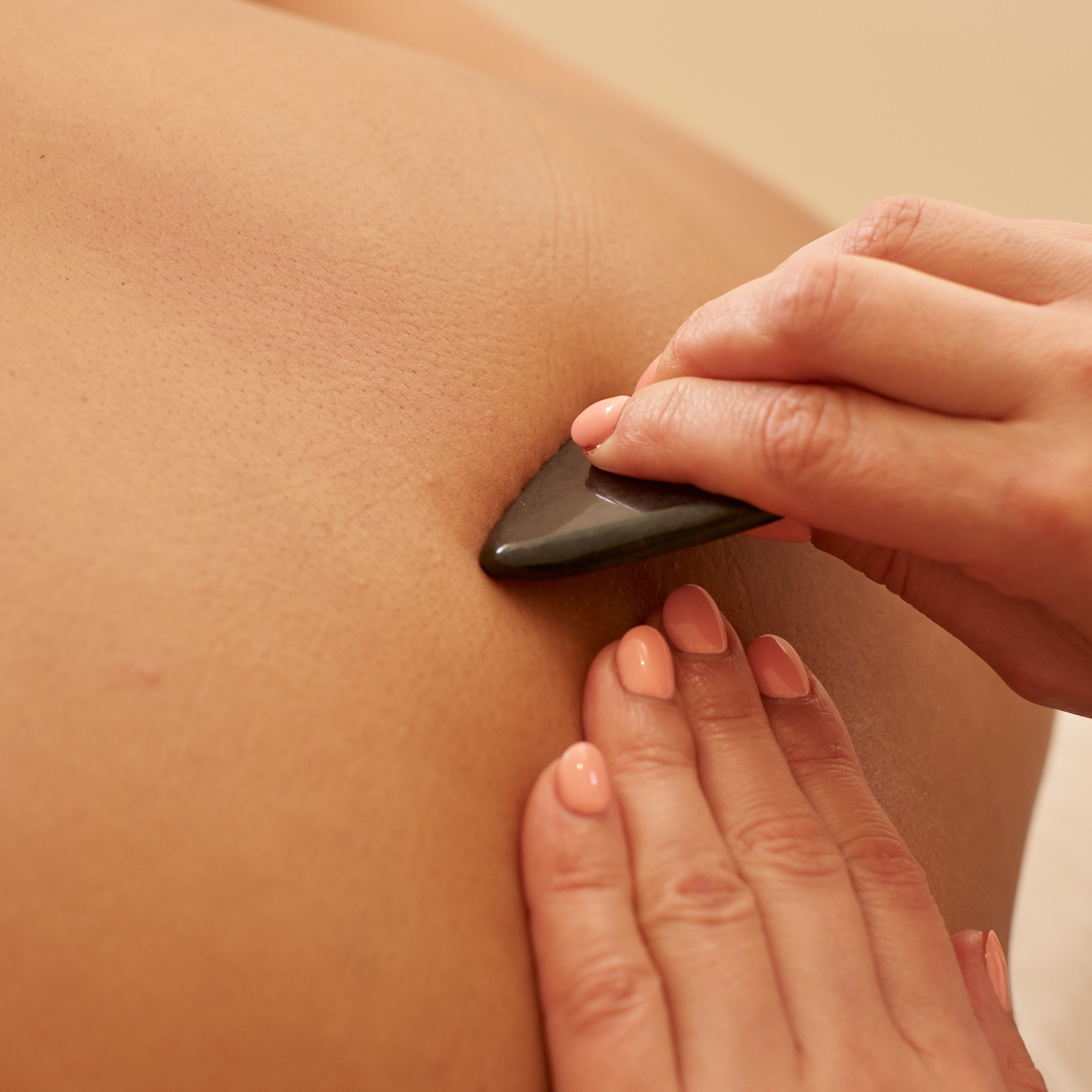
Gua sha works by increasing blood flow to the treated area and reducing muscle tension. The technique creates controlled stimulation at the surface of the skin, encouraging circulation and supporting tissue recovery.
This process can help reduce discomfort, improve range of movement, and ease areas of tightness that may not respond fully to other treatments alone.
Gua Sha for Muscle Tension and Pain
Gua sha is particularly effective for muscular and postural tension. It is often used where the body has adapted to prolonged sitting, repetitive movement, or physical strain.
By releasing tension in the soft tissue, it can help restore more natural movement and reduce the load placed on surrounding joints and muscles.
This type of tension is often linked to conditions such as stress and anxiety or poor sleep patterns, which can also contribute to insomnia . Addressing the physical component of tension can support overall recovery.
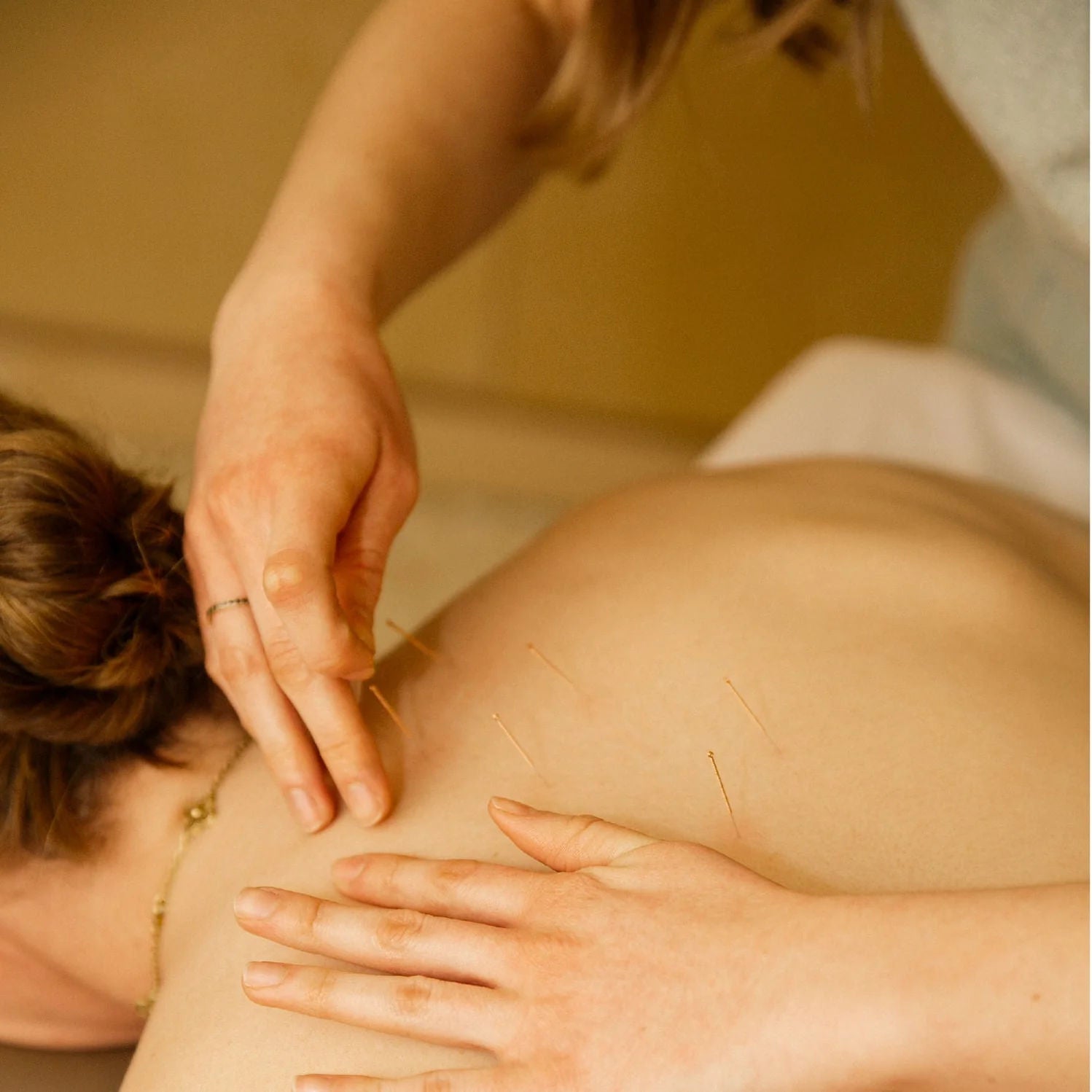
It is frequently combined with acupuncture to support a more comprehensive treatment approach.
What to Expect During Treatment
Gua sha is usually incorporated into your session alongside acupuncture, although it can also be used more selectively where needed.
A smooth tool is applied to the skin using controlled strokes. You may feel pressure during the treatment, but it should remain comfortable throughout. Your practitioner will adjust the intensity based on your sensitivity and the area being treated.
It is normal for temporary redness or marking to appear. This is a natural response and typically fades within a few days.
If you prefer, we can tailor your session to be more gradual or focused on specific areas. You can discuss this when you book your appointment.
Is Gua Sha Safe?
Gua sha is safe when performed by a trained practitioner.
At Pricc, all treatments are delivered by degree-qualified practitioners trained in Traditional Chinese Medicine. Our approach follows professional standards aligned with the British Acupuncture Council, ensuring treatment is appropriate for your individual health and medical history.
When to Consider Gua Sha
Gua sha may be beneficial if you are experiencing persistent muscular tension, stiffness, or discomfort that is not resolving on its own.
It is often used for areas such as the neck, shoulders, and back, particularly where symptoms are linked to posture, stress, or physical strain. If you are unsure whether it is suitable, this can be discussed as part of your consultation.
You can book an assessment to get clear guidance on the most appropriate treatment for you.
Book Gua Sha Treatment in London
Pricc offers gua sha treatment at both our Marylebone and Notting Hill clinics, providing access across central London.
Appointments are available seven days a week, and gua sha can be included as part of your acupuncture session where appropriate.
You can book directly through our online booking system or explore our full range of treatments.
Initial assessment (45 minutes):
£90
Follow-up treatment (30 minutes):
£65
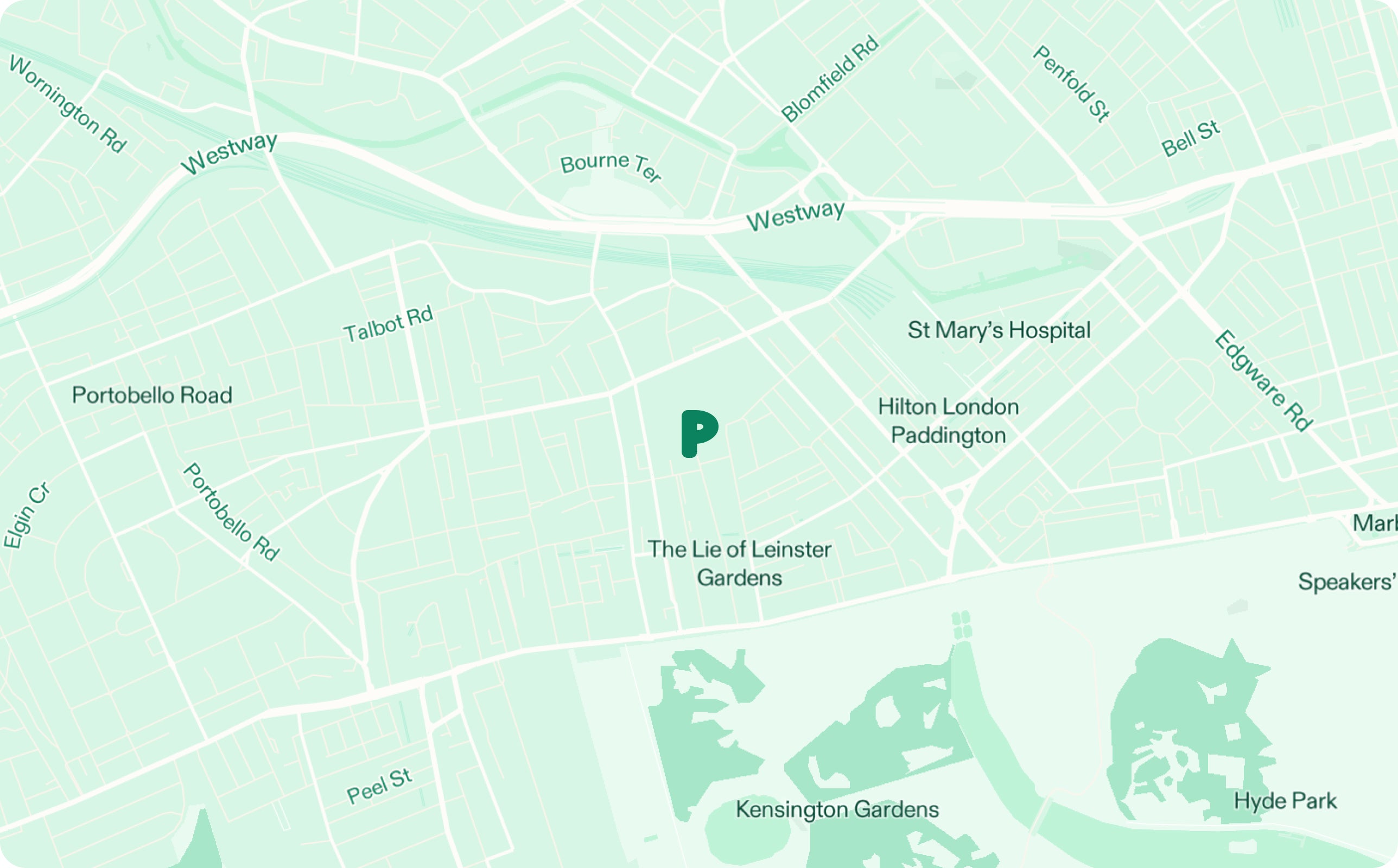
Notting Hill Clinic
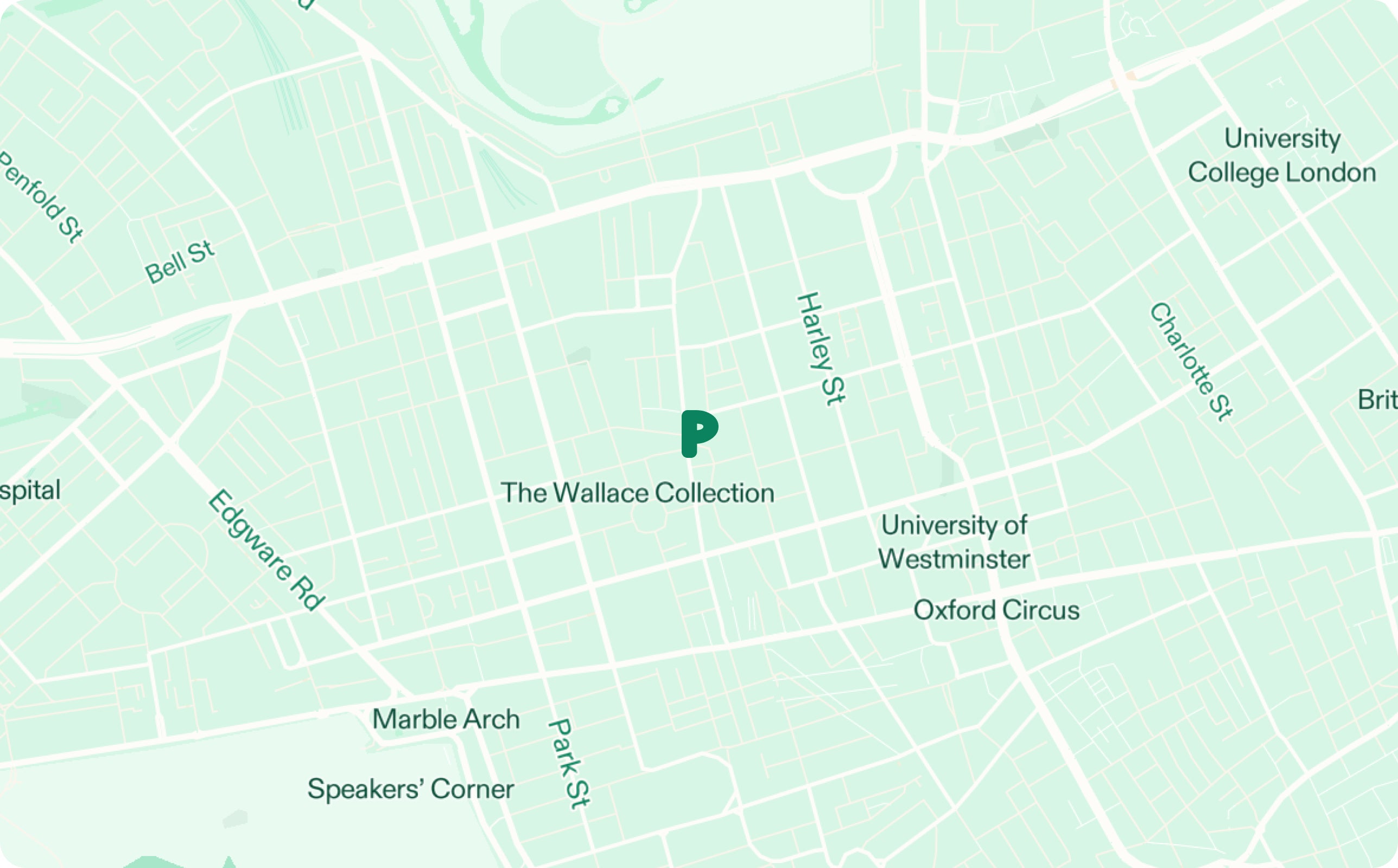
Marylebone Clinic
Gua Sha FAQs
What does gua sha help with?
Gua sha is most commonly used for muscle tension, stiffness, and pain, particularly in the neck, shoulders, and back.
Does gua sha hurt?
You may feel pressure during treatment, but it should not be painful.
Why does gua sha leave marks?
Temporary redness or marking is a normal response caused by increased circulation. It typically fades within a few days.
Can gua sha help headaches?
It may help reduce tension-related headaches by releasing muscle tightness.
Is gua sha the same as acupuncture?
No, but they are often used together as part of treatment.
How often should I have gua sha?
This depends on your symptoms. Your practitioner will advise based on your condition.
Is gua sha safe?
Yes, when performed by a trained practitioner.
Do I need a referral?
No, you can book directly.
Nobody forgets a Pricc.
Discover the benefits of acupuncture by booking a treatment today.